

The Australian business landscape is evolving rapidly, and companies that fail to adapt risk falling behind. Fortunately, starting the automation of business processes no longer requires massive budgets or technical expertise. Indeed, businesses across Australia are discovering that automation is accessible, affordable, and transformative.
Whether you operate a café in Sydney or a consulting firm in Brisbane, automation can revolutionize how you work. Moreover, the journey begins with understanding what’s possible and taking strategic first steps. This comprehensive guide shows you exactly how to embark on your automation journey today.
Understanding the Automation Opportunity
Business process automation Australia initiatives have accelerated dramatically since 2020. Subsequently, companies implementing automation report 30-50% improvements in operational efficiency. Furthermore, automation isn’t just for large corporations anymore—small businesses are leading the charge.
The beauty of modern automation lies in its flexibility. Therefore, you can start small with simple workflows and gradually expand as you gain confidence. Additionally, many solutions require no coding knowledge whatsoever.
Why Australian Businesses Need Automation Now
Australian businesses face unique challenges that make automation particularly valuable. Firstly, labor costs continue rising, making operational efficiency crucial for profitability. Secondly, customer expectations have never been higher—people demand instant responses and seamless experiences.
Moreover, competition intensifies daily as digital-first businesses emerge across every industry. Consequently, companies that automate small business operations Australia wide gain significant competitive advantages. They respond faster, operate leaner, and scale more efficiently than their competitors.
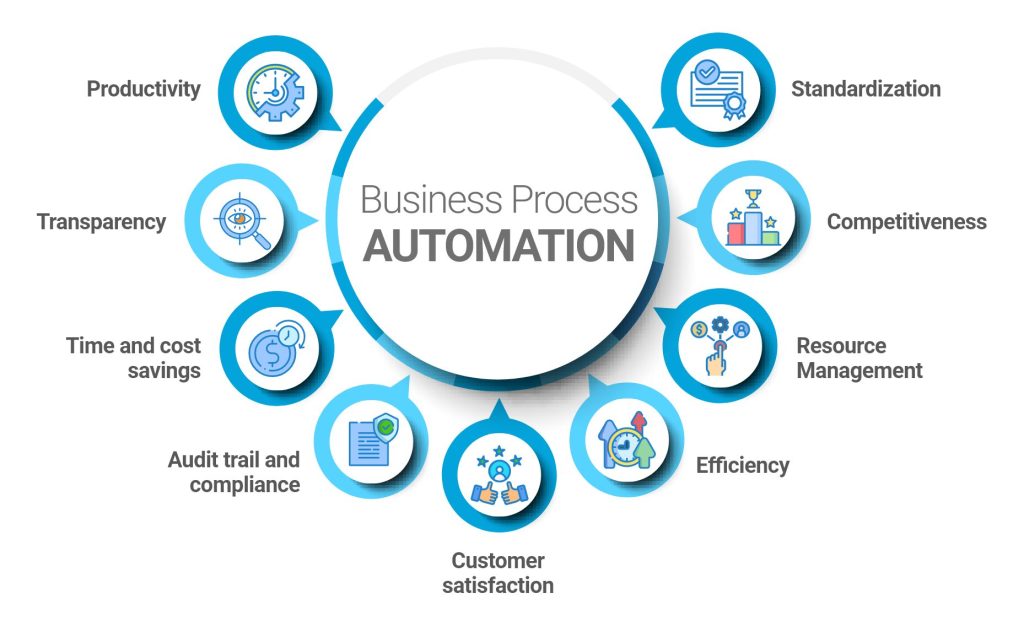
Step 1: Identify Your Automation Opportunities
Before implementing any technology, you need clarity on where automation delivers maximum impact. Start by documenting your daily operations. Then, identify tasks that are:
- Repetitive and time-consuming
- Rule-based with clear decision criteria
- Prone to human error
- Creating bottlenecks in your workflow
For instance, many businesses discover that invoice processing, customer follow-ups, and data entry consume countless hours weekly. These activities represent perfect candidates for automation of business processes.
Additionally, speak with your team members. They understand precisely which tasks frustrate them most and where inefficiencies exist. Therefore, involving your staff from the beginning ensures successful adoption later.
Step 2: Choose Your Automation Focus Areas
Rather than attempting to automate everything simultaneously, focus on specific operational areas. Here are the most impactful starting points for Australian SMEs:
Customer Relationship Management
Implementing CRM automation for Australian businesses transforms how you manage customer interactions. Instead of manually tracking communications, appointments, and follow-ups, automated systems handle these tasks effortlessly.
Furthermore, modern CRM platforms integrate with email, phone systems, and marketing tools. Consequently, you gain a complete view of every customer relationship without switching between multiple applications.
Marketing and Lead Generation
Marketing automation services Australia providers help you nurture leads systematically without constant manual intervention. Essentially, you create automated email sequences, social media posting schedules, and lead scoring systems that work 24/7.
Moreover, marketing automation ensures consistent communication with prospects. Therefore, potential customers receive timely, relevant messages that guide them through your sales funnel automatically.
Financial Operations
Finance & accounting automation Australia solutions eliminate tedious bookkeeping tasks that drain valuable time. From automated invoice generation to expense tracking and bank reconciliation, technology handles the heavy lifting.
Additionally, automated financial systems provide real-time insights into cash flow and profitability. Hence, you make informed decisions based on current data rather than outdated spreadsheets.
Step 3: Explore Available Automation Technologies
The Australian market offers diverse automation solutions tailored to different needs and budgets. Understanding these options helps you make informed decisions.
Workflow Automation Platforms
Workflow automation tools Australia businesses commonly use include platforms like Zapier, Make, and Microsoft Power Automate. These tools connect your existing applications, enabling data to flow seamlessly between systems.
For example, when someone completes a form on your website, automation can instantly add them to your CRM, send a welcome email, and notify your sales team. Previously, these steps required manual intervention at each stage.

Artificial Intelligence Solutions
AI-powered business automation Australia represents the cutting edge of efficiency. AI handles complex tasks like document processing, customer service chatbots, and predictive analytics.
Moreover, AI learns and improves over time. Therefore, your automation becomes increasingly sophisticated without additional programming effort.
Robotic Process Automation
Robotic process automation (RPA) Australia deployments use software robots to mimic human actions within digital systems. These bots excel at high-volume, repetitive tasks requiring interaction with multiple applications.
Furthermore, RPA implementation typically requires minimal changes to existing systems. Consequently, you achieve automation benefits without expensive software overhauls.
Cloud-Based Solutions
Cloud-based automation solutions Australia providers offer flexibility and scalability that on-premise systems cannot match. Additionally, cloud platforms eliminate hardware investments and provide automatic updates.
Subsequently, your team accesses automation tools from anywhere with internet connectivity. This capability proves invaluable for hybrid and remote work arrangements.
Step 4: Start with Quick Wins
When beginning your automation of business journey, prioritize projects delivering immediate, visible results. Quick wins build momentum and demonstrate value to stakeholders who might be skeptical.
Consider these accessible starting points:
Email Automation: Set up automated responses, follow-up sequences, and internal notifications. This simple step saves hours weekly while improving communication consistency.
Appointment Scheduling: Eliminate phone tag by implementing automated booking systems. Clients schedule meetings themselves based on your real-time availability.
Social Media Management: Schedule posts in advance rather than posting manually each day. Therefore, you maintain consistent online presence without daily effort.
Document Generation: Automate proposal creation, contract generation, and report production using template-based systems.
These projects typically require minimal investment yet deliver substantial time savings. Moreover, they help your team become comfortable with automation before tackling more complex implementations.
Step 5: Leverage Digital Transformation Support
Digital transformation for SMEs Australia programs provide guidance, funding, and resources for automation initiatives. The Australian government and various state programs offer grants and subsidies supporting technology adoption.
Additionally, industry associations often provide workshops and resources specifically addressing automation challenges. Therefore, you’re not navigating this journey alone—substantial support exists.
Furthermore, many technology vendors offer free trials and proof-of-concept implementations. Hence, you can test solutions before committing significant resources.
Step 6: Plan for Integration and Scalability
Successful automation of business requires thinking beyond individual tools toward integrated ecosystems. When evaluating solutions, consider how they connect with your existing systems.
Moreover, choose platforms that scale alongside your business growth. Today’s small business might become tomorrow’s medium enterprise. Therefore, selecting flexible solutions prevents costly migrations later.
Additionally, prioritize solutions with strong API capabilities. These enable custom integrations as your automation needs become more sophisticated.
Overcoming Common Implementation Challenges
Many Australian businesses hesitate to pursue business process automation Australia initiatives due to perceived obstacles. However, these challenges are manageable with proper planning.
Cost Concerns: Modern automation solutions often cost less than hiring additional staff. Moreover, many platforms offer affordable monthly subscriptions rather than large upfront investments.
Technical Complexity: No-code and low-code platforms democratize automation. Therefore, you don’t need programming expertise to implement powerful solutions.
Change Resistance: Involve your team early and demonstrate how automation eliminates frustrating tasks. Subsequently, employees become automation advocates rather than resistors.
Security Questions: Reputable cloud-based automation solutions Australia providers implement enterprise-grade security. Additionally, they comply with Australian data protection regulations.
Measuring Automation Success
Track specific metrics demonstrating your automation of business impact. These might include:
- Time saved on specific tasks
- Error reduction rates
- Customer response time improvements
- Cost savings per process
- Employee satisfaction scores
Furthermore, celebrate and communicate wins across your organization. This practice builds enthusiasm for expanding automation initiatives.
Taking Action Today
Starting your automation of business journey doesn’t require perfection—it requires action. Begin by identifying one frustrating, time-consuming process. Then, research available tools addressing that specific challenge.
Many platforms offer free trials, so experiment without financial commitment. Additionally, connect with other Australian business owners who’ve implemented automation. Their experiences provide valuable insights and realistic expectations.
Conclusion
The automation of business processes represents not just an efficiency improvement but a fundamental transformation in how Australian companies compete. From AI-powered business automation Australia solutions to simple workflow automation tools Australia, options exist for every business size and budget.
Moreover, the businesses thriving in coming years will be those embracing automation today. Whether implementing CRM automation for Australian businesses, exploring marketing automation services Australia, or adopting finance & accounting automation Australia solutions, every step forward compounds your competitive advantage.
AI Business Hub specializes in helping Australian businesses navigate their automation journeys. Contact us today to discover which solutions align with your specific needs and goals. Your automated future starts now.
FAQs
How is AI used in Australia?
AI in Australia is widely used across healthcare, finance, retail, mining, agriculture, transportation, and government services. It powers predictive analytics, customer service automation, smart farming, cybersecurity, supply-chain optimization, and autonomous systems that support national innovation and digital transformation.
Who are the Big 4 AI agents?
The Big 4 AI agents generally refer to the leading tech companies driving global AI innovation: Google (Alphabet), Microsoft, Amazon, and IBM. These companies dominate AI research, cloud AI services, automation tools, and enterprise-level AI adoption.
Can finance be automated by AI?
Yes, many finance processes can be automated through AI. Tasks like accounting, invoice processing, fraud detection, risk analysis, trading algorithms, reporting, and customer support can be streamlined using AI-driven automation, reducing human error and improving speed and accuracy.
Which AI tool is best for finance?
Top AI tools for finance include Microsoft Azure AI, IBM Watson, Google Cloud AI, ChatGPT for financial automation, and QuickBooks AI. These platforms support forecasting, auditing, bookkeeping automation, fraud detection, and data-driven decision-making.
Can real estate be replaced by AI?
AI cannot fully replace real estate, but it can automate many tasks such as property valuation, lead generation, contract processing, virtual tours, and market analysis. Human roles like negotiation, relationship-building, and local expertise remain essential, making AI a powerful assistant—not a replacement.